

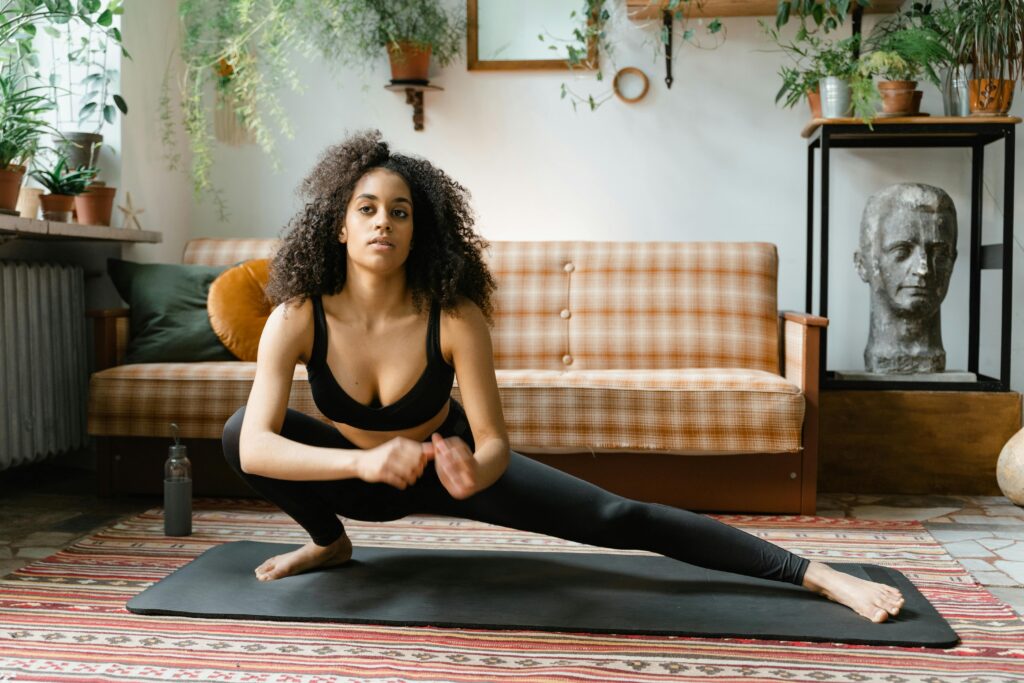
Modern life presents a continuous stream of stimuli, responsibilities, and pressures that can easily destabilize your internal equilibrium. While standard physical fitness routines address bodily health, and traditional cognitive strategies target mental patterns, few practices bridge the gap between the two as effectively as yoga. Originating thousands of years ago, yoga is far more than a series of physical contortions or flexibility exercises. It is a holistic system that unifies physical postures, conscious breath control, and focused meditation.
In recent years, the clinical world has turned its attention toward this ancient discipline to understand its profound impact on psychological health. A substantial body of neuroscientific and psychological research now supports what practitioners have known intuitively for generations: yoga is a powerful mechanism for cultivating emotional resilience, mitigating stress, and fostering a deep sense of inner peace. By treating the mind and body as an integrated entity, yoga provides an accessible roadmap for navigating the complexities of human emotion.
The Neurological Architecture of Emotional Regulation
To understand how yoga shifts your emotional landscape, it is helpful to look at the underlying biology of the human nervous system. When you encounter a stressful situation, whether it is a high-pressure work deadline or an interpersonal conflict, your brain activates the sympathetic nervous system. This is the biological mechanism responsible for the fight-or-flight response, releasing a cascade of stress hormones like cortisol and adrenaline. While this survival mechanism is useful for physical dangers, chronic activation due to daily psychological stressors leads to emotional exhaustion, anxiety, and systemic inflammation.
Yoga acts as a direct off-switch for this chronic state of hyperarousal by stimulating the parasympathetic nervous system, frequently called the rest-and-digest system. The physical postures and deliberate breathing patterns characteristic of a yoga practice send safety signals to the brain, specifically targeting the vagus nerve. The vagus nerve is a major superhighway of the parasympathetic system, regulating heart rate, digestion, and emotional state.
By stimulating this nerve, yoga slows the heart rate, lowers blood pressure, and reduces the production of cortisol. Furthermore, neuroimaging studies show that regular yoga practice increases the brain levels of gamma-aminobutyric acid, a primary inhibitory neurotransmitter that dampens overactive neural activity, effectively soothing feelings of anxiety and emotional distress.
Cultivating Emotional Resilience Through Physical Postures
The physical component of yoga, known as asana practice, serves as a somatic laboratory for emotional discovery. Human beings routinely store emotional tension within their physical frames. Chronic stress often manifests as clenched jaws, elevated shoulders, or tight hips. When you step onto a yoga mat and hold a challenging physical posture, you are deliberately coming face-to-face with discomfort.
Yoga teaches you to sit with physical discomfort without reacting impulsively. When a particular pose causes your muscles to tire or your flexibility to be tested, the natural human inclination is to flee the posture or tense up mentally. Yoga encourages you to remain present, softening your gaze, relaxing unnecessary tension, and maintaining a steady internal focus.
This process trains the brain to separate physical sensation from emotional panic. Over time, this capacity to remain calm under physical duress translates directly into daily life. When emotional storms hit, or life presents unexpected difficulties, you possess the physiological conditioning required to pause, observe, and respond deliberately, rather than reacting out of blind impulse.
The Power of Pranayama for Real-Time Calming
While physical postures build structural strength and release stored tension, the breath is the true bridge between the conscious mind and the autonomous nervous system. In yoga, the science of breath control is called pranayama. It is one of the fastest, most effective ways to alter your emotional state in real time.
Your emotional state dictates your breathing patterns. When you are angry or anxious, your breathing naturally becomes shallow, rapid, and concentrated in the upper chest. Conversely, when you are safe and content, your breath is deep, slow, and originates from the diaphragm. What many people do not realize is that this communication pathway is bidirectional. You can use your breath to change your emotional state.
Practices such as extended exhalations or alternate nostril breathing consciously alter the ratio of oxygen and carbon dioxide in your blood, shifting your internal chemistry. Deep diaphragmatic breathing expands the lungs fully, pressing down on the vagus nerve and triggering an immediate relaxation response. By mastering your breath on the yoga mat, you gain an invisible, highly portable tool that can be deployed during an intense meeting, a difficult conversation, or a sudden wave of panic to instantly regain emotional control.
Mindfulness and the Deconstruction of Negative Thought Loops
Emotional suffering is rarely caused solely by external events; it is heavily exacerbated by the internal commentary running through our minds. The human brain is prone to rumination, frequently replaying past regrets or spinning catastrophic scenarios about the future. This cognitive habit fuels conditions like depression and chronic anxiety.
Yoga is inherently an exercise in applied mindfulness. Throughout a session, you are continually instructed to bring your attention back to the present moment, anchoring your awareness to the placement of your feet, the sensation of your skin, or the rhythm of your breath. Every time your mind wanders into a story about the past or future, you gently, non-judgmentally guide it back to the immediate physical reality.
This repetitive redirection alters your relationship with your thoughts. You begin to realize that you are the observer of your thoughts, not the thoughts themselves. This mental distance is incredibly liberating for emotional well-being. When a negative thought or self-critical judgment arises, instead of absorbing it as an absolute truth, you learn to watch it pass like a cloud across the sky, significantly reducing its capacity to ruin your mood or dictate your self-worth.
Structuring a Practice for Emotional Support
To harness the emotional benefits of yoga, you do not need to spend hours executing advanced acrobatics. The psychological benefits are accessible through various styles, provided the practice is approached with intention.
-
Restorative or Yin Yoga: These gentle, slow-paced styles involve holding supported postures for several minutes at a time. They are exceptional for deep nervous system reset, processing grief, and soothing acute anxiety.
-
Vinyasa or Flow Yoga: Linking movement directly to breath in a continuous sequence helps release stagnant energy, lift low moods, and quiet an overactive, racing mind through physical exertion.
-
Daily Micro-Practices: Even ten minutes of mindful stretching and conscious breathing in the morning can set an emotionally balanced tone for the remainder of the day.
-
Incorporate Savasana: The final relaxation pose at the end of a class is crucial. It allows the nervous system to fully integrate the shifts that occurred during the practice, leaving you with a profound sense of closure and clarity.
Frequently Asked Questions
Can yoga be used as a standalone treatment for clinical depression or severe anxiety disorders?
Yoga is a highly effective complementary therapy, but it should not be viewed as a standalone replacement for professional psychiatric care, psychotherapy, or prescribed medication for clinical conditions. Instead, it works beautifully alongside traditional medical models, providing patients with practical, somatic tools to manage daily symptoms and build overall nervous system resilience.
I am naturally inflexible and cannot touch my toes. Will I still experience the emotional benefits of yoga?
Yoga does not require pre-existing flexibility; rather, flexibility is a byproduct of consistent practice. The emotional benefits of yoga are tied to your internal focus, breath awareness, and mindfulness, not the depth of your physical stretch. An inflexible person who is deeply attuned to their breath will gain far more emotional benefit from a pose than a naturally flexible person who is distracted or competitive.
How quickly can someone expect to feel a shift in their emotional well-being after starting yoga?
Many individuals experience an immediate sense of lightness, mental clarity, and reduced physical tension after their very first session. However, long-term changes in emotional resilience, structural mood improvement, and reduced stress reactivity require sustained consistency over several weeks or months, as the brain needs time to create new neural pathways.
Why do some people experience unexpected crying or intense emotional releases during a yoga class?
It is common to experience sudden emotional releases during yoga, particularly during deep hip openers or chest-opening backbounds. The body stores emotional trauma and stress in muscle tissues and fascia. When these areas are deeply stretched and relaxed after long periods of tension, the suppressed emotions can surface physically, leading to unexpected tears or a sudden sense of relief.
Is there a specific time of day that maximizes the emotional and mental benefits of a yoga practice?
There is no universally perfect time, as the ideal schedule depends on your personal goals. A morning practice can help ground your emotions, sharpen focus, and cultivate patience before facing daily stressors. A evening practice, particularly one focused on gentle or restorative poses, is excellent for unwinding, releasing accumulated workplace tension, and preparing the mind for deep sleep.
How does yoga differ from standard stretching or traditional gym workouts regarding mental health?
Traditional workouts generally focus on external goals, performance metrics, or distracting the mind through entertainment while pushing the body. Yoga emphasizes internal awareness and interoception, which is the ability to sense the internal state of your body. In yoga, the physical movement is merely a vehicle to cultivate deep breath awareness, non-judgmental self-observation, and mental stillness.

Comments are closed.